

Blog
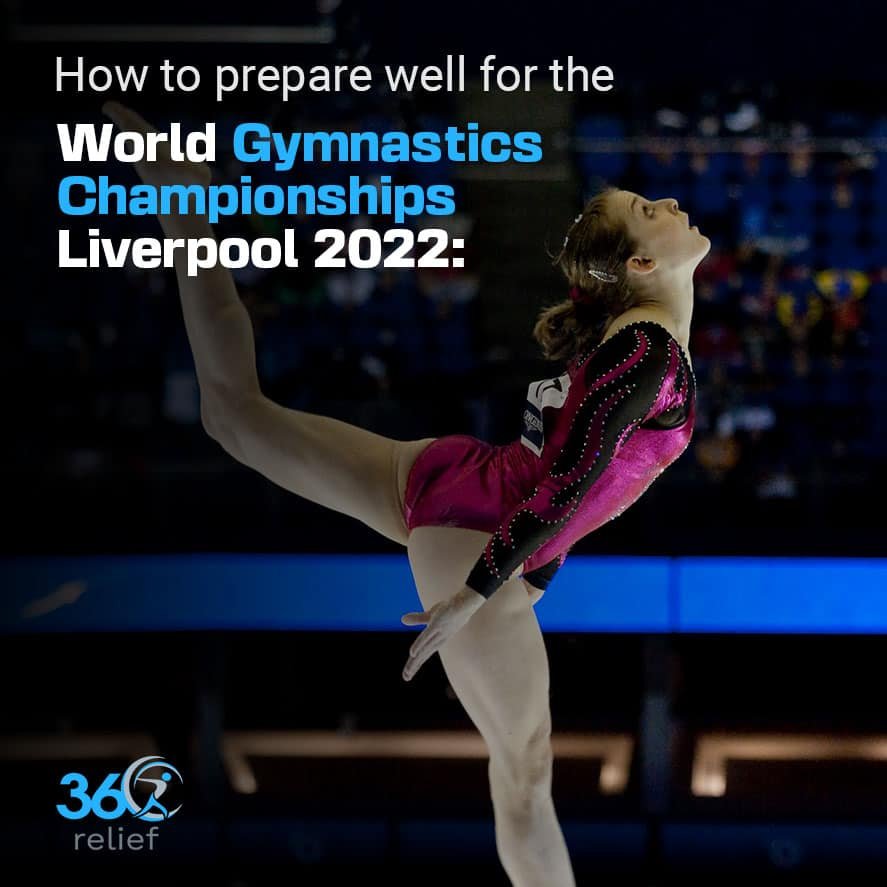
World Gymnastics Championships Liverpool 2022: Overview
The world’s greatest gymnasts are going to appear on a global stage between October 29th and November 6th, 2022. Liverpool, England, is happily going to host the World Gymnastics Championships 2022, and the M&S Bank will be the venue for this championship. World Gymnastics Championships is one of the oldest sports or gymnastic events in the world. The first edition of the championship was planned and organised in 1903, and Antwerp, Belgium, first hosted this event or championship. Right from that time, the championship has been organised by different host countries, which is organised after one or two years. The recent championship was organised in 2021 and was held in Kitakyushu, Japan. However, China, Japan, and Italy were listed in the first, second, and third medal tables, respectively. For the 2022 championship, more than 400 athletes from across the world are going to participate in several actions.
Competition schedule
The given competition schedule is announced officially for the 2022 world championship:
| Date | Sessions |
| Saturday, October 29th | Women’s Qualification |
| Sunday, October 30th | |
| Monday, October 31st | Men’s Qualification |
| Tuesday, November 1st | Women’s Team Final |
| Wednesday, November 2nd | Men’s Team Final |
| Thursday, November 3rd | Women’s Individual All-Around Final |
| Friday, November 4th | Men’s Individual All-Around Final |
| Saturday, November 5th | Apparatus Finals |
| Sunday, November 6th | Apparatus Finals |
Common injuries found in gymnastics
Undoubtedly, gymnastics is one of the most watched and exciting games. In every world championship, hundreds of gymnasts participate to show their exceptional capabilities. As gymnasts are involved in repetitive movements, overuse injuries are possible in gymnasts. It has been reported that gymnasts experience overuse injuries and can hurt any part of their bodies. A study about gymnastic injuries from 2001 to 2011 has reported that 64 male gymnasts experienced 240 injuries; however, 55 female gymnasts experienced 201 injuries.
The injury incident is estimated to be 8.78 per 1000 athlete exposures for men and 9.73 per thousand for women. Female gymnasts are more prone to injuries than male gymnasts. However, studies have also shown that 24.4% of female injuries require surgery, and the ratio of surgical treatment in men is 9.2%. The anatomic structures most often injured in men are the wrist and hand; however, in women, these are the foot and ankle. Moreover, overall injury rates were highest in freshman-eligible athletes. Here we come with the possible injuries found in gymnasts:
1. Labral Tear
Labral tear, also known as a SLAP tear, may occur in gymnasts during any gymnastic practice. However, ring and bar specialists are more vulnerable. The injury is characterised by pain that initially resolves but tends to recur when you return to your practice. In order to establish a absolute diagnosis, an MRI is helpful. Nonsurgical treatments for a SLAP tear may include rest, physical therapy, corticosteroid injections, and platelet-rich plasma injection. Healthcare professionals also suggest wearing shoulder support braces to relieve pain and other symptoms. However, more severe conditions may require surgery – an arthroscopic procedure.

2. Wrist sprain
During gymnastic practices, your wrist may be subject to force, exceeding twice the body weight. The common symptoms of a wrist sprain may include pain, swelling, tenderness, bruising, loss of motion, and weakness. Reducing the training volume helps relieve the symptoms. Wearing wrist support braces helps immobilise your wrist, helping speed up recovery.

3. Anterior cruciate ligament, ACL tear
Anterior cruciate ligaments run through your knees, helping connect your thigh bone to your shin bone. As well as this, they play a vital role in stabilising your knees. The common cause of ACL tear is a sudden pivoting or cutting manoeuvre during any gymnastic activity. The ACL tear may result in severe pain, swelling, inability o putting weight on your knees or legs, and a significant change in the range of motion. The treatment process depends upon the severity of the injury. Grade I and II level tear may recover through a progressive range of motion, physical therapy, and other exercises. However, grade III-level tears may require surgery and take up to 15 months to heal properly. Healthcare professionals advise wearing knee support braces to relieve pain and speed up recovery.

4. Achilles Tendinitis
Gymnasts can experience several problems with their feet and ankle, and Achilles tendinitis is a common complaint by many gymnasts. Achilles tendinitis is an irritation and inflammation of the Achilles tendons – tendons just above the back of your heel. The condition usually results in calf soreness that exacerbates with jumping and landing. The initial treatment options for Achilles tendinitis may involve stretching, activity adjustment, and calf or leg exercises. However, foot immobilisation with the best ankle support braces helps with acute symptoms.

5. Ankle sprain
Gymnasts often experience foot or ankle sprain, which generally happens during an awkward landing or when gymnasts roll their ankles inwards. However, gymnasts have a high chance of rolling ankles as they are involved in continuous jumping or tumbling. Popping sounds at the time of sprain and dark bruising are the common symptoms. Treatments may vary depending on your condition. However, wearing ankle support braces helps with mild to moderate symptoms.

How to prepare well for gymnastics meet
Whether you are a professional gymnast or occasionally appear as an amateur gymnast, injuries are possible. Injuries usually happen due to carelessness, overuse, and wrong techniques. However, experts suggest some effective tips and preventive measures by following which gymnasts can save themselves from overuse injuries. So, let’s have a look at these tips and preventive measures to help you get an injury-free gymnastics experience:
1. Prepare yourself physically
- Practice well the routines you have to perform in your meet. For the time being, ignore learning new skills and trying to advance your gymnastic level. You have to practice well for the existing skills to perform well in the competition.
- Focus on the details, such as dancing, landing, and dismounts. Professionals point out that gymnasts win or lose the match by 0.1 points, a step on a landing or checking a balance on the beam.
- Plan or arrange your warm-up time. You need to warm up your body as long as you need before a practice or competition.
- Have an actual practice meet, allowing you and your coaches to run through your routines in the same manner as the meet. Having teammates and supporters during training will help and encourage you to perform well in front of an audience.
- You need to modify your audience. Spend most of your time in practice before a meet. For example, at the end of the practice, you need to cut down your conditioning from 30 minutes to 10 minutes.
- Stay hydrated and eat well. Ensure that you have a good intake of carbohydrates that will maximise your energy level for your meet. However, avoid fatty foods that may slow down your performance.
2. Prepare yourself mentally
- Visualise the gymnasts you want to be at your turn. Close your eyes and do your routines or practice in your mind, helping you examine how they will look when implemented perfectly.
- Practice mental chronology, boosting your confidence and helping you focus.
- You need to adopt or follow pre-competition rituals to help you prepare mentally. These rituals may include positive visualisation, practising your beam on a piece of tape, and any other ritual that will tell your mind that it’s a time of competition.
3. Prepare yourself logistically
- Pack your gym bag a day or night before your meet. Ensure that you have all the things necessary for your practice. Usually, the gymnasts need bar grips, floor exercise music, athletic tape, warm-up suit, water, and snack.
- Ensure you arrive at the meet at the possible early time to have enough time to prepare and warm up.
- Ensure that you have all the equipment that is well arranged and prepared.
- Always focus on the meet and ignore all distractions.
Common Causes of Knee Injuries and their Potential Treatment Plans
Knee Injuries: Overview The knee joint is considered one of the complex and largest joints in the body. It is

What is the Fastest way to Heal a Dislocated Knee?
A dislocated knee is relatively an uncommon injury. Ligaments connect the bones of the knee, which will result in a

Wake Up Refreshed: The Science-Backed Benefits of Eye Masks
Sleep is something we all know we need, yet many of us don’t get enough of it. Whether it’s the
Compression Socks for Nurses, Teachers & Beyond: Women Who Stand Deserve Relief
Introduction Long days on your feet can be exhausting. Whether you are caring for patients, teaching in a classroom, welcoming

Your Guide to Autumn & Winter Running Events in the UK
As the leaves turn golden and the evenings draw in, the running community across the UK doesn’t slow down. If
A Hug for Your Legs: Why Compression Socks Work for Varicose Veins
Varicose veins are more than just a cosmetic concern. For many people, they bring discomfort, swelling, and a heavy feeling
Sprained Wrist: Causes, Symptoms, Treatments, and Recovery
A wrist sprain(s) occurs when a ligament in the wrist is partially injured. Ligaments are the dense connective tissues that

2025 Unibet British Open Snooker: Play Longer, Stay Stronger with the Right Support
The 2025 Unibet British Open Snooker is just around the corner, and excitement is building as fans prepare to watch
Ride Longer, Recover Faster: Why Every Cyclist Needs Compression Socks
Cycling is one of the most rewarding sports for both fitness and leisure, but it also places high demands on

Stay Injury-Free During the 2025 Tour of Britain: The Best Protective Supports for Cyclists
Cycling fans across the UK are gearing up for one of the most exciting events on the sporting calendar –

Train Hard, Recover Smarter: Why Supportive Products Are Key for 2025 World Boxing Championships Success
The World Boxing Championships 2025 are just around the corner, with Liverpool preparing to host some of the finest athletes

Top Benefits of Using a Sleep Eye Mask for Deeper, Healthier Rest
Getting enough sleep is one of the most important foundations of good health, yet many people in the UK struggle

Women’s 2025 Rugby World Cup: Thrilling Action, Smart Moves to Escape Possible Injuries
1. Introduction – Rugby’s Biggest Stage Returns to England From August to September 2025, England will host the most exciting
Sitting Too Long at Work? Here’s Why You Need Compression Socks
Modern workplaces often involve long hours at a desk, whether in an office or working from home. While sitting may

Busy Mum’s Guide to Leg Comfort: Why Compression Socks Are a Game Changer
Mums are the true multitaskers of everyday life. From school runs to supermarket trips, from cleaning to working on your